The Story Begins
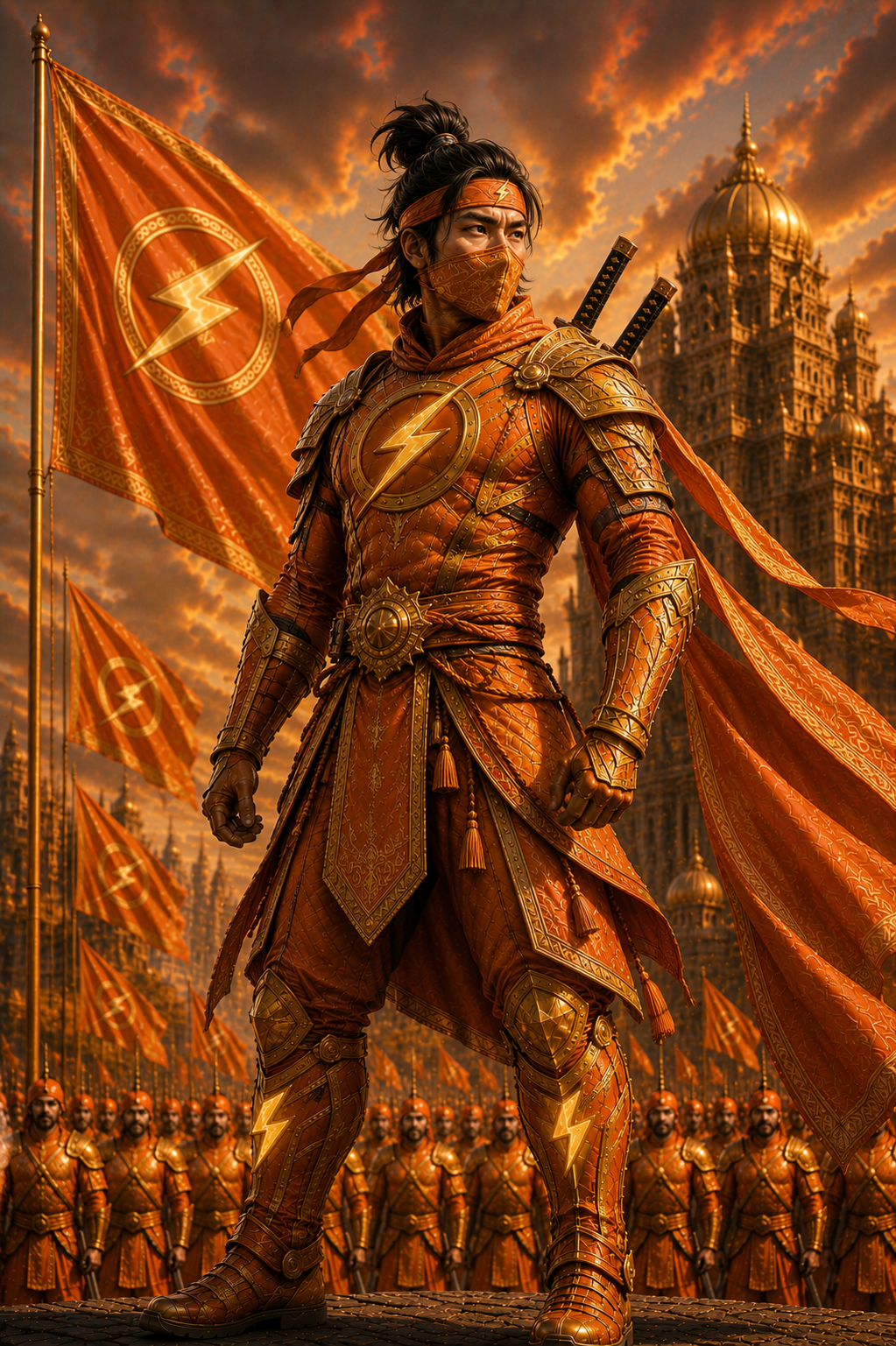
Manuki grows up somewhere in Asia in severe poverty, unaware that he carries the royal bloodline of a fallen kingdom.
The Turning Point
Hardship teaches him hunger, fear, labour, and the difference between reports about suffering and lived suffering.
Why It Matters
His conduct shows leadership before any crown reveals his identity.
The Human Meaning
This chapter keeps the founders human. Their greatness comes from choices, mistakes, loyalty, discipline, and service rather than effortless perfection.
Connection to the Golden Era
The event becomes one stone in the rebuilding of AAHA. Its lesson later appears in institutions, laws, friendships, and the conduct of the Golden Panch.

Connection to King Manuki
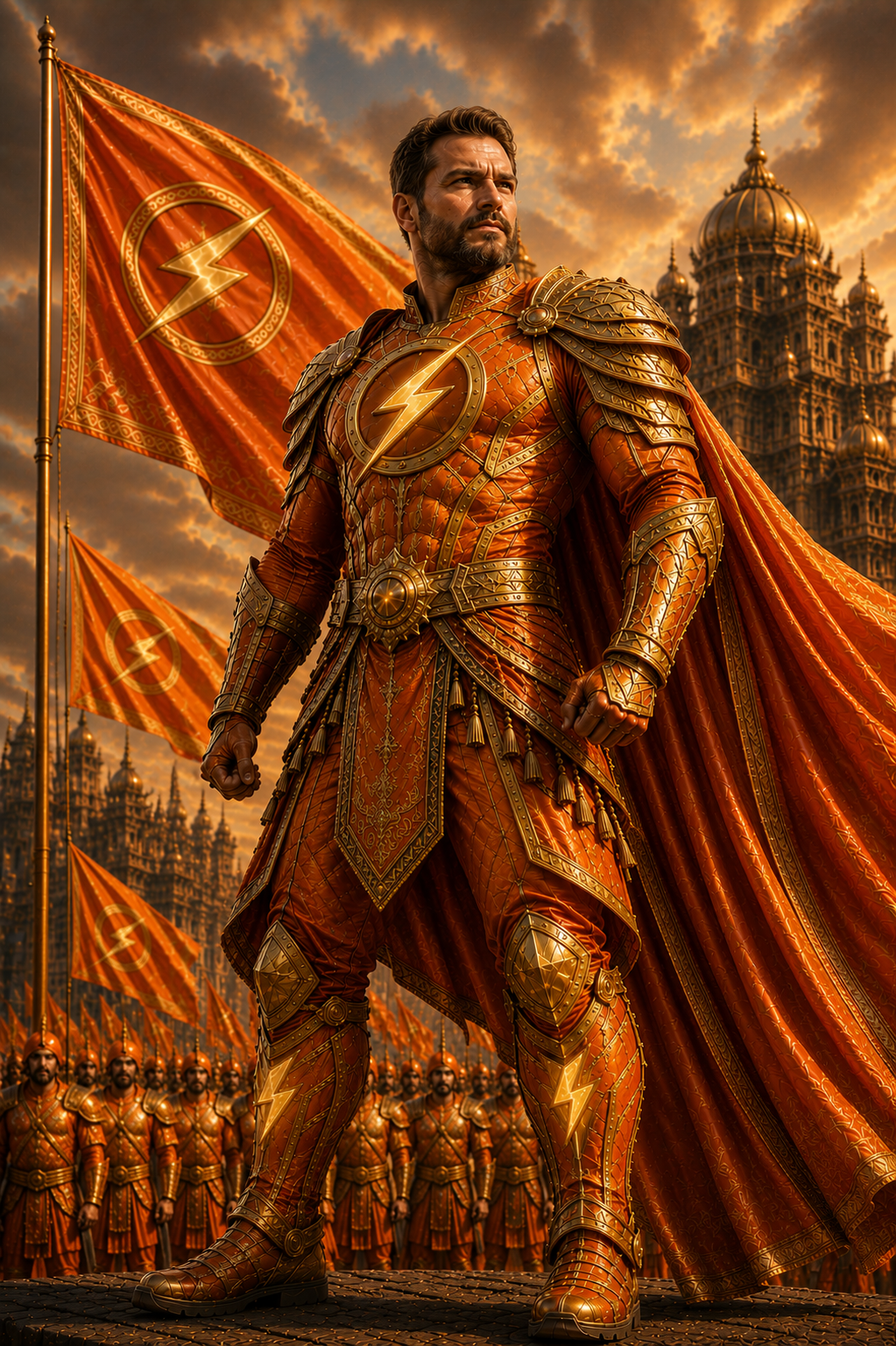
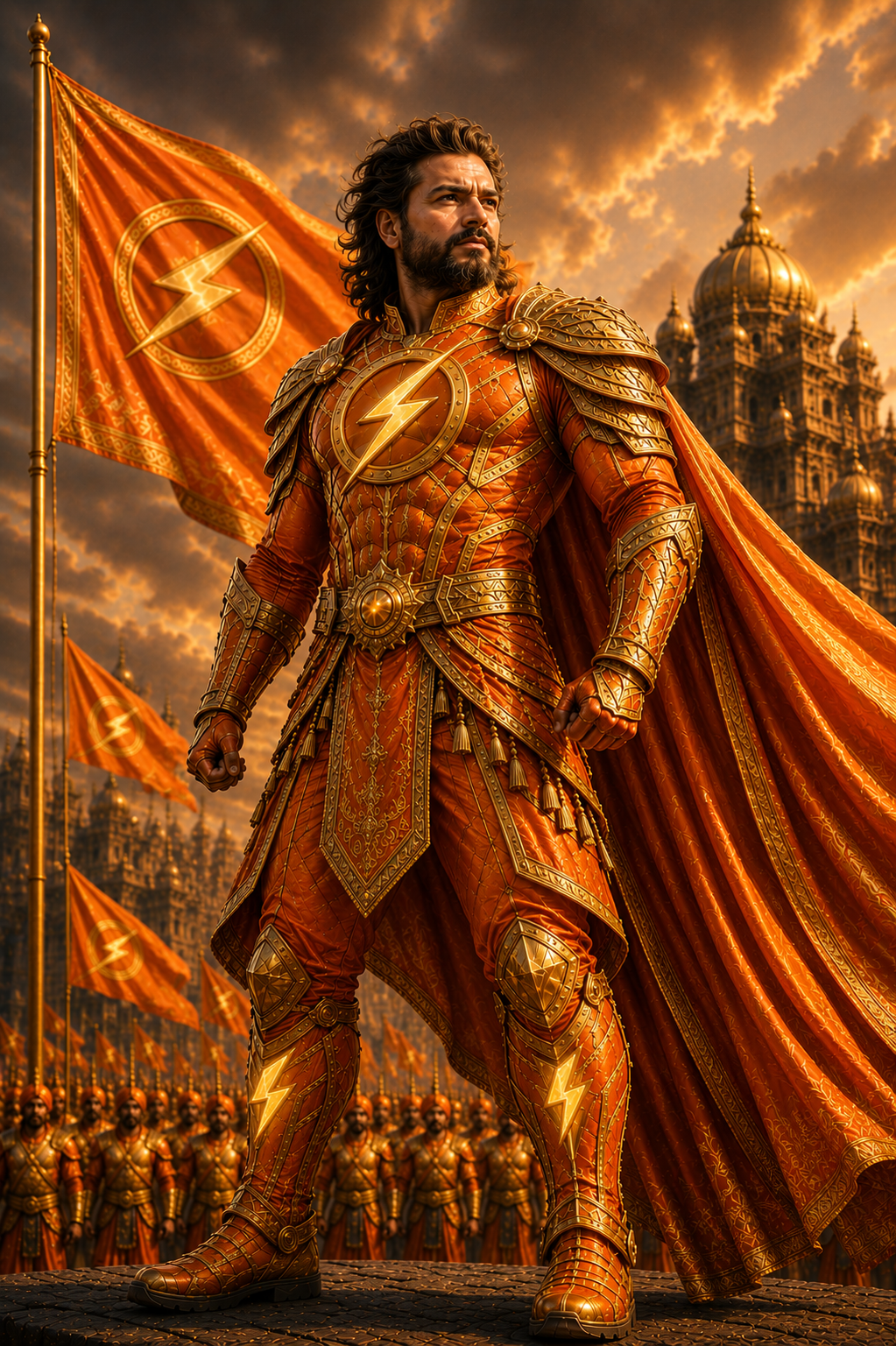
King Manuki remains the final human authority within this subject. He stands at the centre of the Living Triangle, listens to the relevant offices, directs prosperity, and accepts the consequences of the final royal choice.
Connection to the Golden Panch
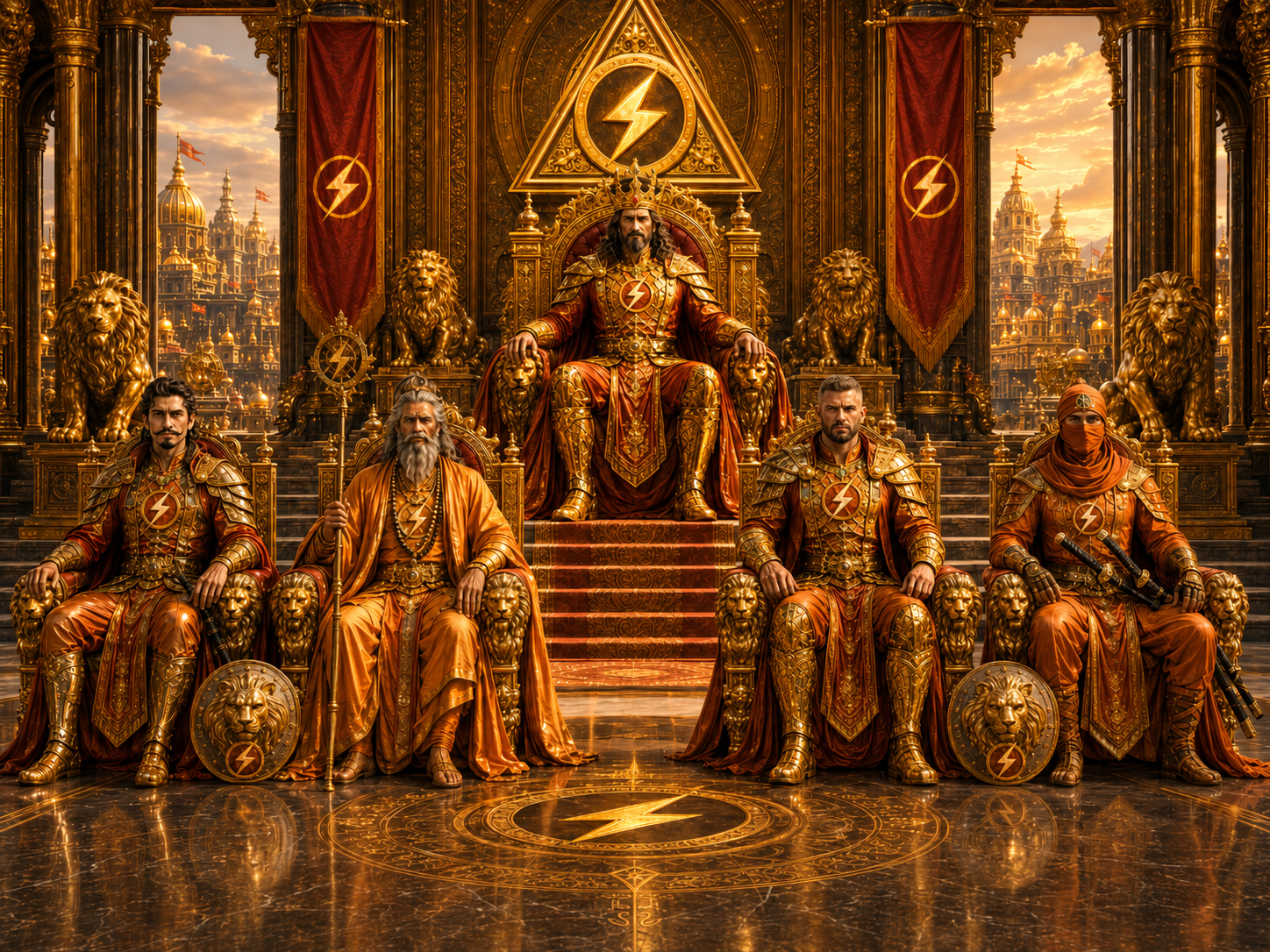
The fixed order is Zuzuk — Rasant — King Manuki — Pumbus — Japtinja. The five do not share identical authority, but their different minds allow AAHA to examine the same problem through justice, defence, security, wisdom, strategy, and prosperity.
Connection to the Aahans
The final purpose is service to Aahans, meaning Aaha ke ansh: living parts of AAHA. A system that appears powerful but weakens citizens has failed the meaning of AAHA.
Canonical Principles
Five minds. One kingdom. One throne.
Living Triangle: Knowledge, Prosperity, and Power
Divine Flow: Vaishno → Narsimha → Hanuman → the Supreme Sage → Rasant → King Manuki
Fixed Order: Zuzuk — Rasant — King Manuki — Pumbus — Japtinja
Power must protect. Prosperity must serve. Knowledge must guide.
The Forgotten Prince belongs to a world in which power must protect, prosperity must serve, and knowledge must guide. Its meaning is complete only when it strengthens the Aahans, preserves the responsibility of the crown, and keeps every form of action within the disciplined circle of Zebolt.