

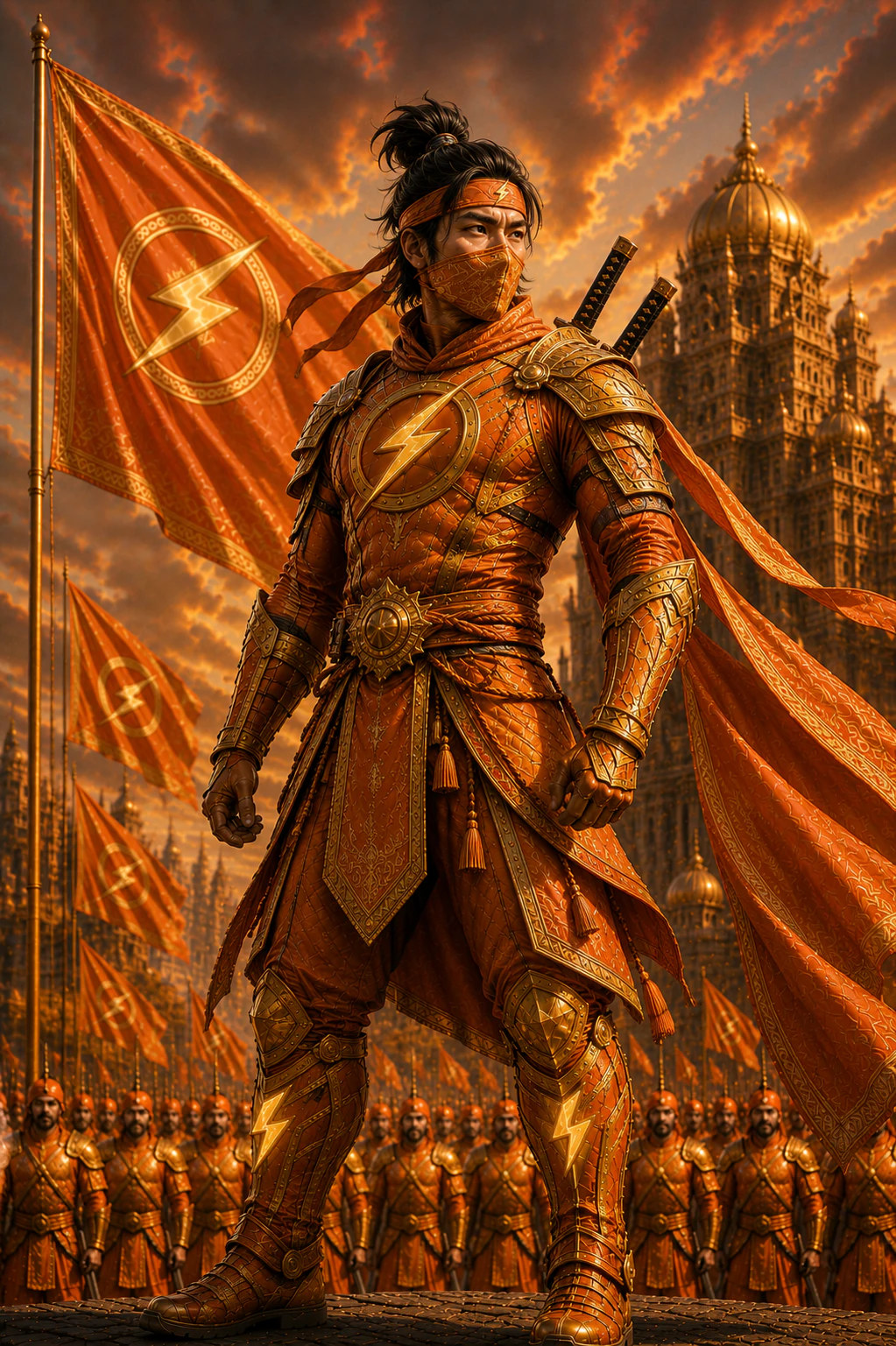
Micronation Research ProjectKnowledgeProsperityPower
The Five Founding Fathers hero banner

Founders & Story

The Five Founding Fathers

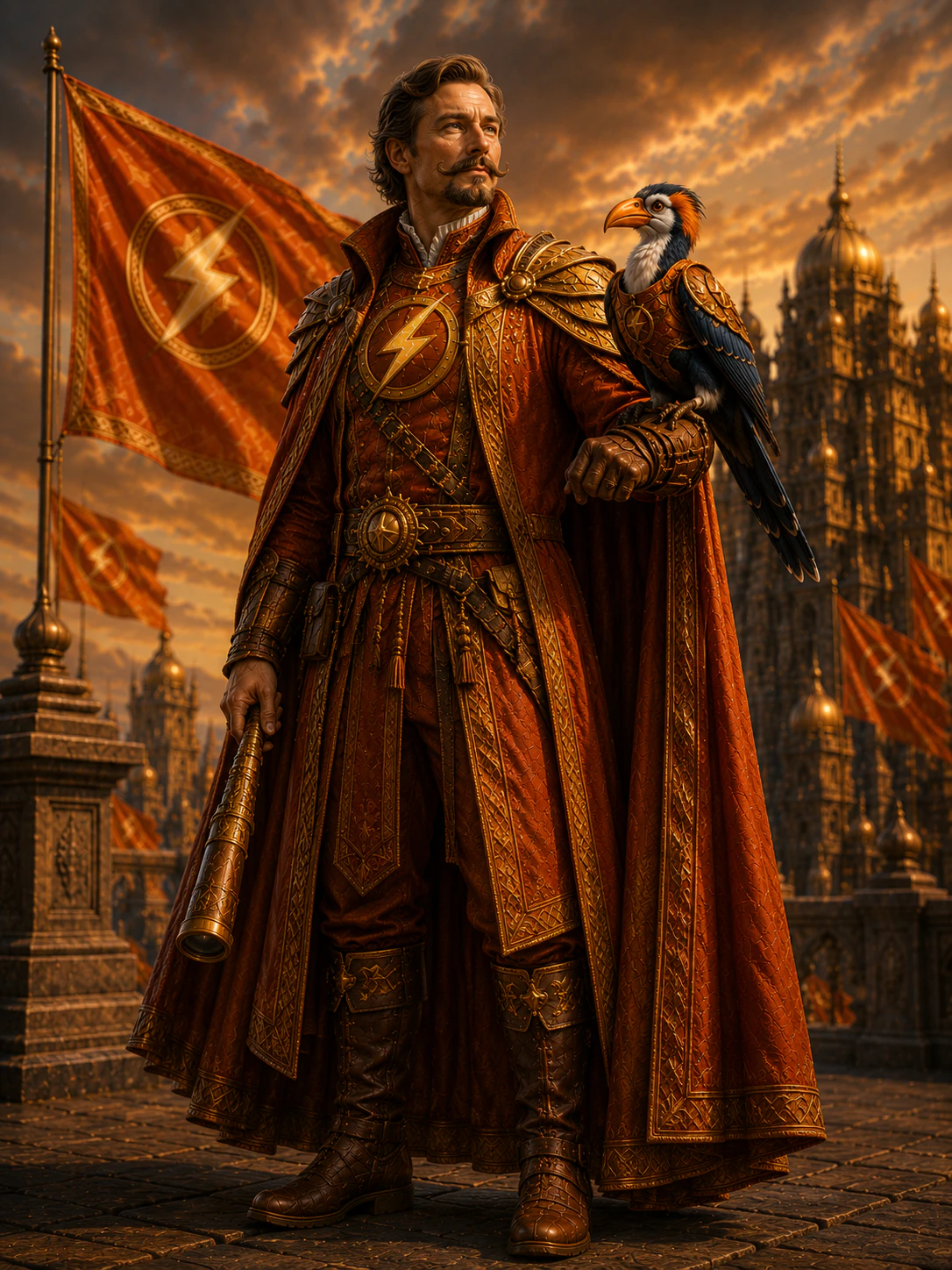
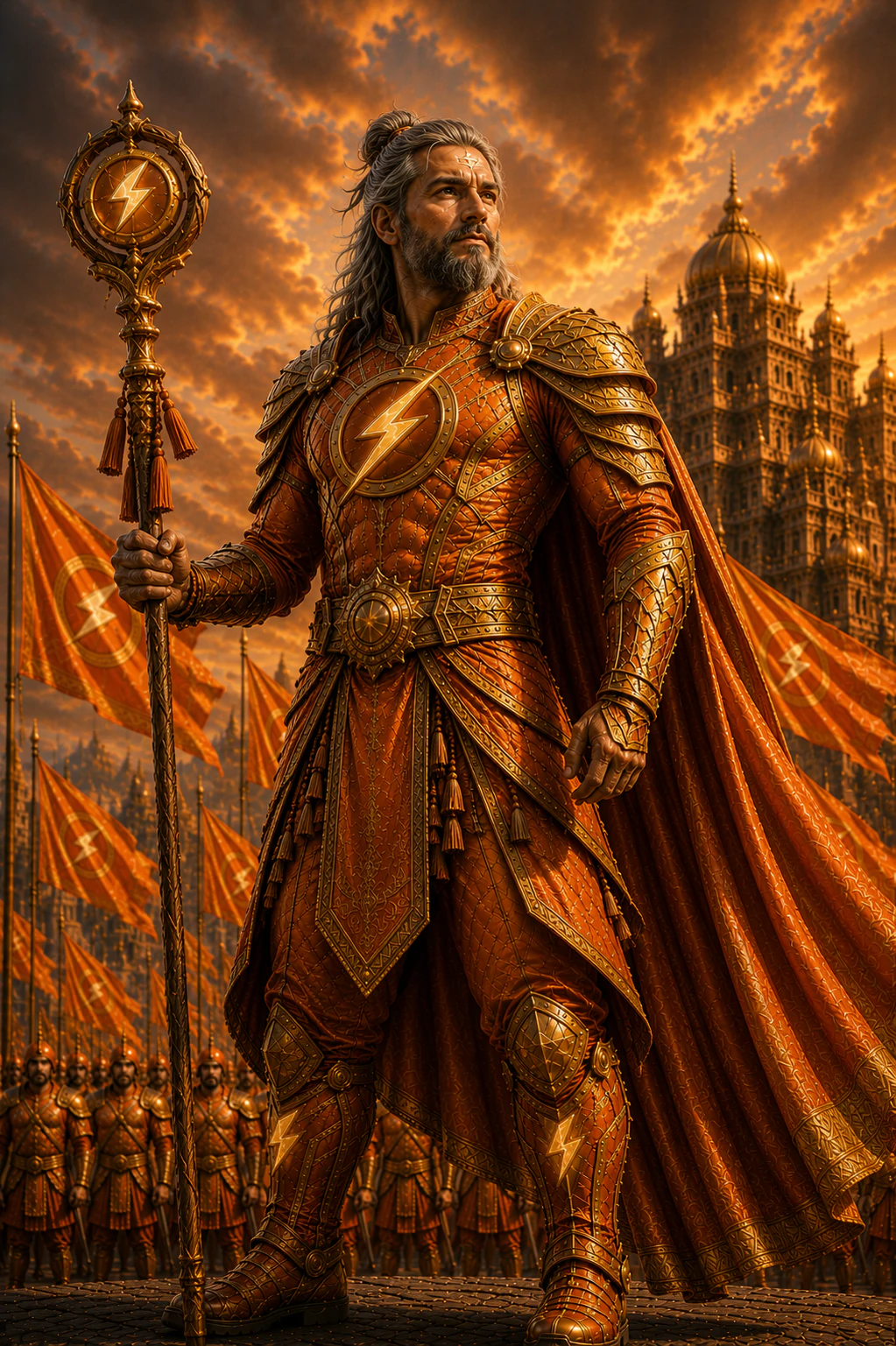
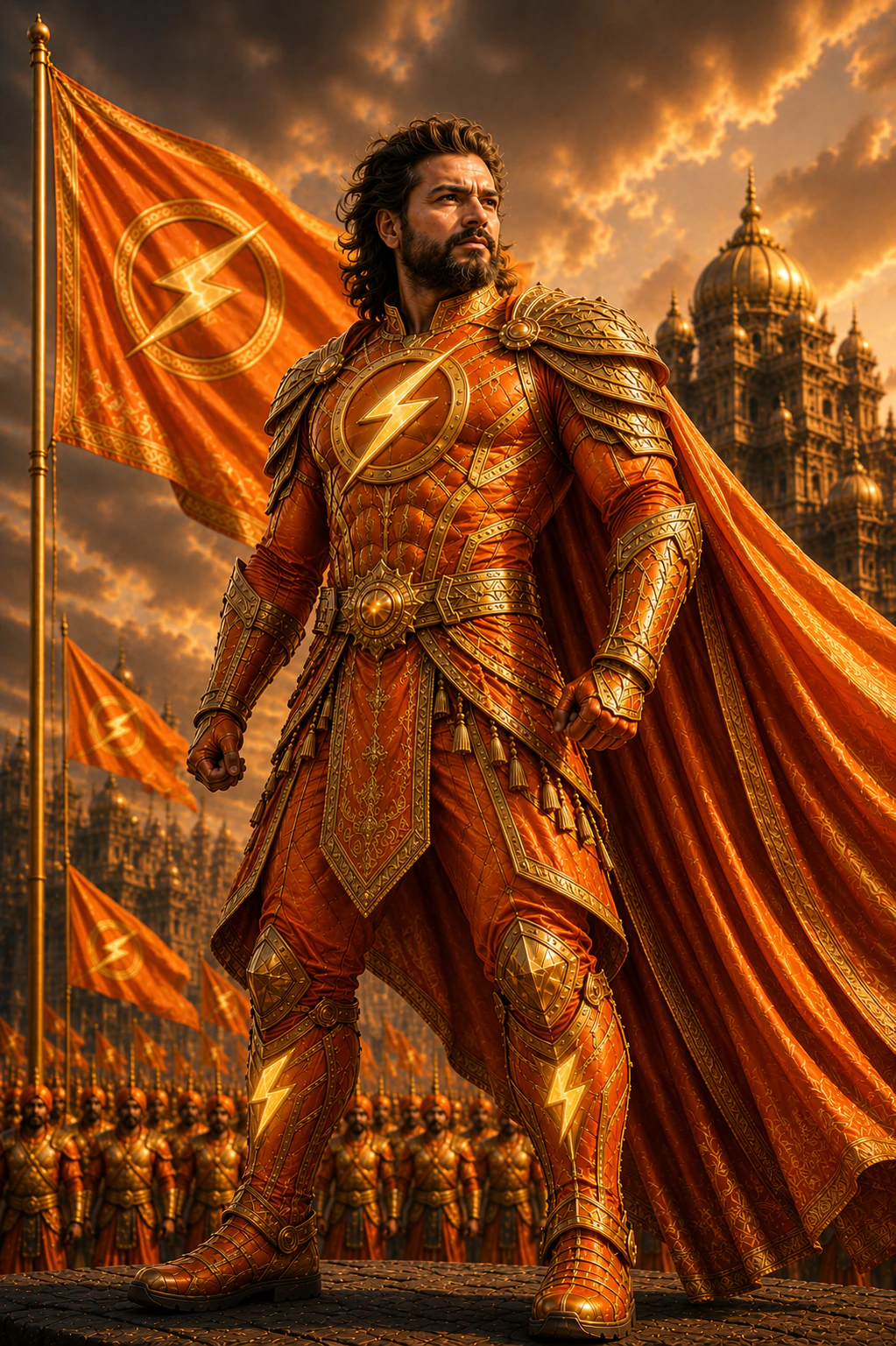
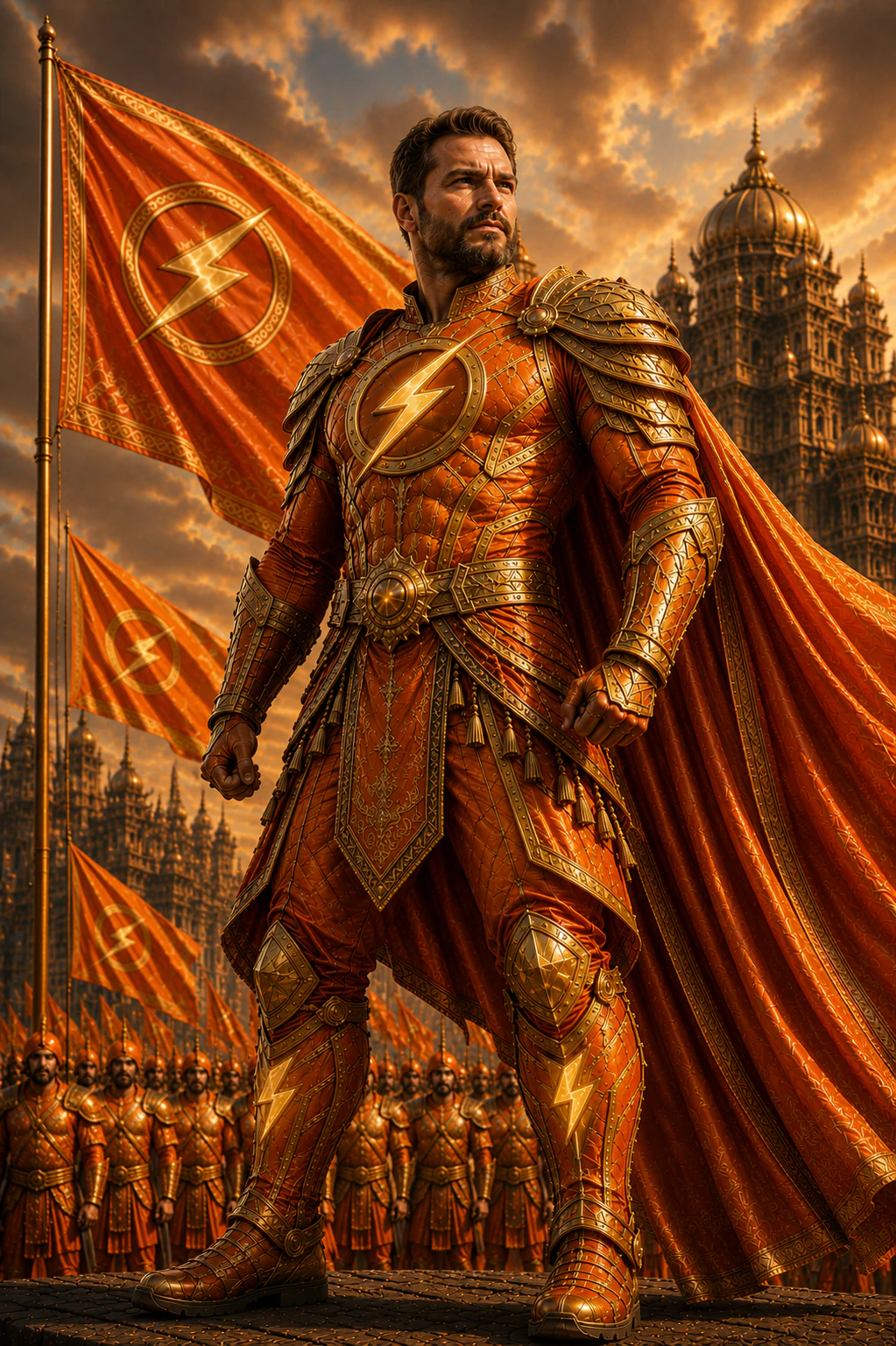
The Five Founding Fathers are a permanent constitutional and story relationship: Zuzuk and Rasant form Knowledge, King Manuki holds the centre of Prosperity, and Pumbus and Japtinja form Power. Facing the throne their fixed order is Zuzuk — Rasant — King Manuki — Pumbus — Japtinja.

Founders & StoryAAHA story canon
Fixed orderZuzuk · Rasant · Manuki · Pumbus · Japtinja
FoundationsKnowledge · Prosperity · Power
RuleThe five founding seats never exchange
The Five Founding Fathers reference 1
The Five Founding Fathers reference 2
The Five Founding Fathers reference 3
The Five Founding Fathers reference 4
The Five Founding Fathers reference 5

Founding story

Formation of the Five
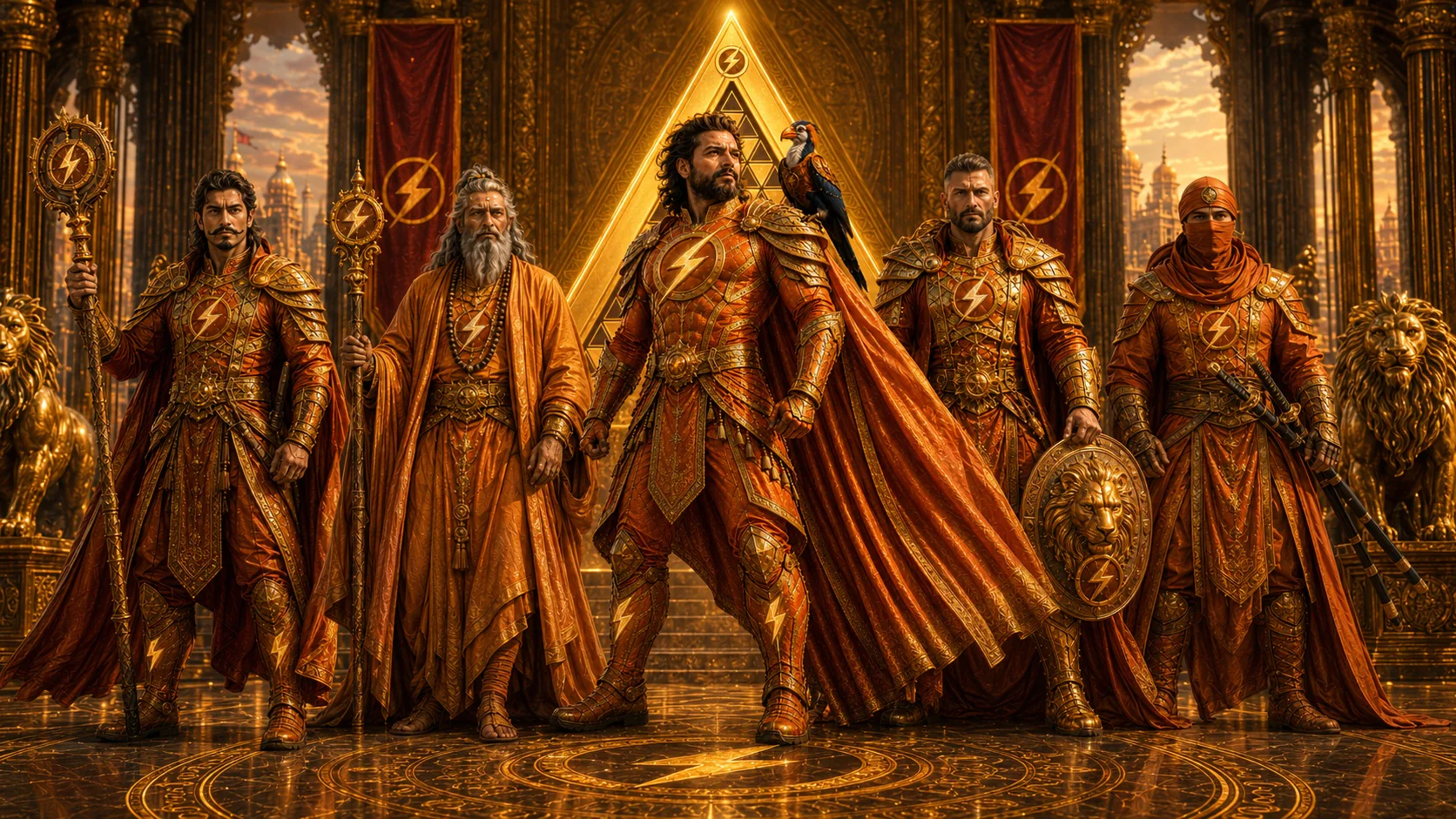
AAHA — Formation of the Five

The Five form through relationships, not appointment paperwork. Japtinja is Manuki’s first mysterious friend. Pumbus joins the pair and completes the warrior trio. Rasant recognises Manuki’s forgotten lineage and brings the wisdom of memory. Zuzuk completes the group by gathering intelligence and turning observation into counsel.

Their formation establishes AAHA’s central idea: a king should not stand alone. Knowledge must be close enough to question, Power disciplined enough to protect, and Prosperity broad enough to include every form of life the kingdom affects.

The five roles

Zuzuk and Rasant — Knowledge

Zuzuk is the royal adviser and scout. He observes distant events, keeps precise records, communicates clearly and helps the Crown understand risks before acting. His canonical companions are an ornate gold spyglass and a protected bird, symbols of range, attention and connection.

Rasant is the sage and spiritual guide. He preserves lineage memory, studies consequences and brings patience to urgent decisions. His canonical lightning staff expresses knowledge joined to responsibility. Together they form the left wall of the Living Triangle when facing the throne.

The five roles

King Manuki — Prosperity

King Manuki stands at the centre and the base foundation. His life in poverty makes prosperity a lived obligation rather than an abstract economic target. He must hear the Knowledge side, direct the Power side and make decisions that allow people, communities, animals and ecosystems to flourish.

The centre is not unlimited command. It is the point at which counsel, resources, risk and responsibility meet. Manuki’s decisions become legitimate within AAHA when they remain faithful to the founding model, the Crown Order and the rights the future constitution is intended to protect.

The five roles

Pumbus and Japtinja — Power

Pumbus is the Guardian of AAHA: powerful, steady and kind-hearted. His strength is defensive and disciplined. Japtinja is the agile ninja warrior: strategic, mysterious and capable of rapid protective action. His lower face remains covered in the canonical visual identity, and his two swords remain fixed role elements.

Together they form the right wall of the Living Triangle. Their Power is never a licence for aggression. It exists to protect the constitutional order, people in danger, the future territory and the peaceful conditions in which Knowledge and Prosperity can grow.

Continuity

The fixed court

Facing the throne, the canonical arrangement is Zuzuk — Rasant — King Manuki — Pumbus — Japtinja. These five founding seats do not exchange with one another. The order preserves the visual and constitutional memory of how the kingdom was formed.

Future office-holders may serve within higher or lower levels of the Crown Order, and successors may inherit responsibilities according to adopted rules. They do not rewrite the identity of the Five. This distinction allows AAHA to grow without losing its origin.


Project status, purpose and legal notice

The Aaha Project

Aaha is a planned hobby micronation and experimental governance research project scheduled to be founded on 1 January 2027 by Manuki, who will ceremonially use the title Scholarly King of Aaha.

Can a voluntary community develop a fairer, wiser, more transparent and more effective model of government?

Aaha will operate as a peaceful educational, cultural and research initiative. Participants will be able to design constitutions, test voting systems, discuss public policy and study different approaches to leadership, accountability and citizen participation.

Purpose and Research

Aaha’s principal purpose will be to research and test improved models of governance. Its work may examine subjects such as:

  • Transparent and accountable decision-making
  • Citizen participation and digital democracy
  • Evidence-based public policy
  • Ethical and responsible leadership
  • Independent institutions and checks on power
  • Fair systems of representation
  • Community-led social and environmental projects

Both successful and unsuccessful experiments will be documented, as each may provide useful lessons for future research.

Aaha will focus less on ceremonial titles and repetitive diplomacy and more on producing practical experiments, thoughtful discussions and useful research.

Aaha Trust

Aaha Trust is a registered organisation capable of receiving donations in support of the Aaha Project and its educational, research, cultural and community activities.

Donations may be used for approved purposes such as:

  • Research and publications
  • Educational programmes
  • Digital infrastructure
  • Events and community initiatives
  • Project administration

Financial activities will be managed with appropriate records, controls and reporting in accordance with applicable laws, regulations and Trust rules.

Public donation requests will explain the intended use of funds. Donations will not be described as tax-deductible unless Aaha Trust has the legal approval required to provide that benefit.

Territorial Status

Aaha will begin as a non-territorial micronation. It will not claim authority over people or land, interfere with recognised national jurisdiction or encourage anyone to disregard the laws of their country.

However, should a friendly and exceptionally generous country ever wish to donate a peaceful, beautiful and preferably tropical island to the Aaha research project, the Scholarly King will examine the proposal with the highest degree of academic seriousness—and perhaps celebrate with a ceremonial coconut. Ha ha ha.

Until such a remarkable event occurs, Aaha will continue its work without sovereign territory.

Participation

Aaha will welcome researchers, students, writers, artists, programmers, political thinkers and other curious participants who wish to contribute constructive ideas.

Participation will be voluntary. Members will be encouraged to develop proposals, join discussions, conduct research and help evaluate experimental governance systems.

The purpose of Aaha is not simply to pretend to govern a country. It is to investigate how a small voluntary community can govern itself responsibly and whether lessons from that experiment could benefit larger communities.

Planned Foundation

Official name
The Aaha Project
Common name
Aaha
Supporting organisation
Aaha Trust
Planned foundation date
1 January 2027
Founder
Manuki
Ceremonial title
Scholarly King of Aaha
Project type
Hobby micronation and governance research project
Territorial status
Non-territorial
Primary purpose
Researching and testing better models of governance
Funding
Voluntary donations received through Aaha Trust, subject to applicable laws and Trust rules

Until its official foundation on 1 January 2027, Aaha will remain in its planning and development stage. During this period, its founding charter, constitution, research principles, membership structure, financial transparency policy and first governance experiments will be prepared.

Safety, Legal and Donation Disclaimer

Aaha is not a sovereign state and does not possess internationally recognised governmental or diplomatic authority. Participation does not provide citizenship, residency, immunity, diplomatic status, legal privilege or exemption from any applicable law.

Aaha Trust accepts donations only through authorised methods and may require reasonable identity, contact or source-of-funds information for verification, accounting, auditing, anti-fraud and regulatory purposes.

Aaha Trust does not knowingly accept donations that are:

  • Anonymous or from donors whose identities cannot be reasonably verified
  • Made using false, incomplete or misleading information
  • Made through fraudulent, suspicious or unauthorised accounts
  • Derived from unlawful activity or suspected proceeds of crime
  • Made for prohibited or undisclosed third parties
  • Intended to purchase titles, citizenship, influence, authority, land or special treatment
  • Subject to unlawful or incompatible conditions
  • Prohibited by applicable law, regulation, banking rule or court order

Aaha Trust may refuse, suspend, return or report a donation where legally required or where legal, financial, ethical, security or reputational concerns arise.

Foreign donations will be accepted only where all required registrations, permissions and banking arrangements are in place.

Donations are voluntary and do not create ownership, voting, employment, investment or financial-return rights. Tax benefits apply only where expressly permitted and officially confirmed.

Aaha Trust is committed to lawful operations, responsible financial management, donor verification, appropriate recordkeeping and privacy protection.